
MONITORING WASTEWATER QUALITY IS VITAL
Water quality monitoring in wastewater treatment is essential for environmental compliance and process optimization. Our high-precision sensors detect critical parameters (COD, NH₃-N, pH, turbidity, etc.) in real time, ensuring compliant discharge and minimizing operational risks. Featuring anti-fouling design and IoT integration, they deliver stable and reliable data for smart water management. Choose our sensors to enable efficient and sustainable wastewater treatment.
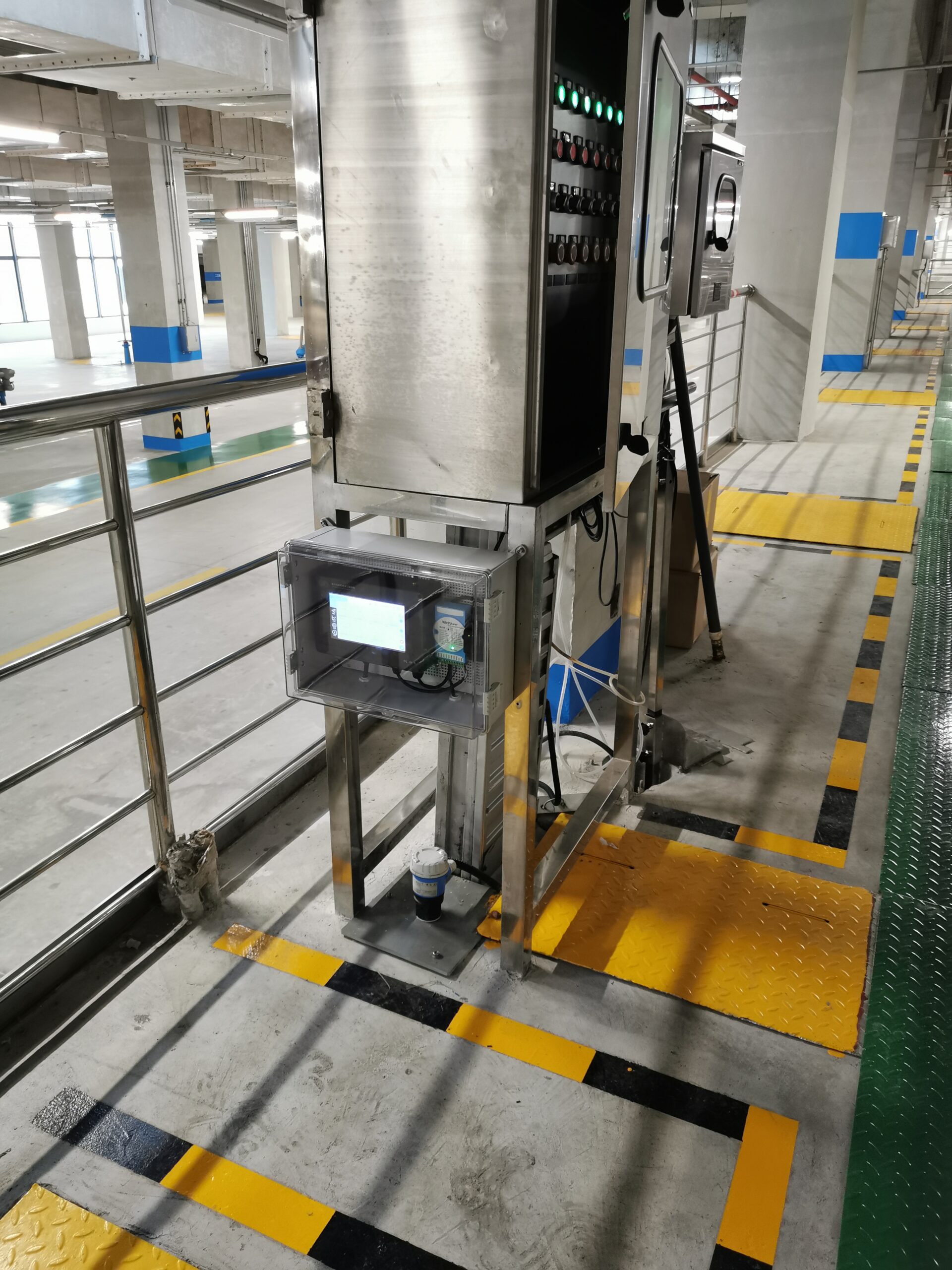
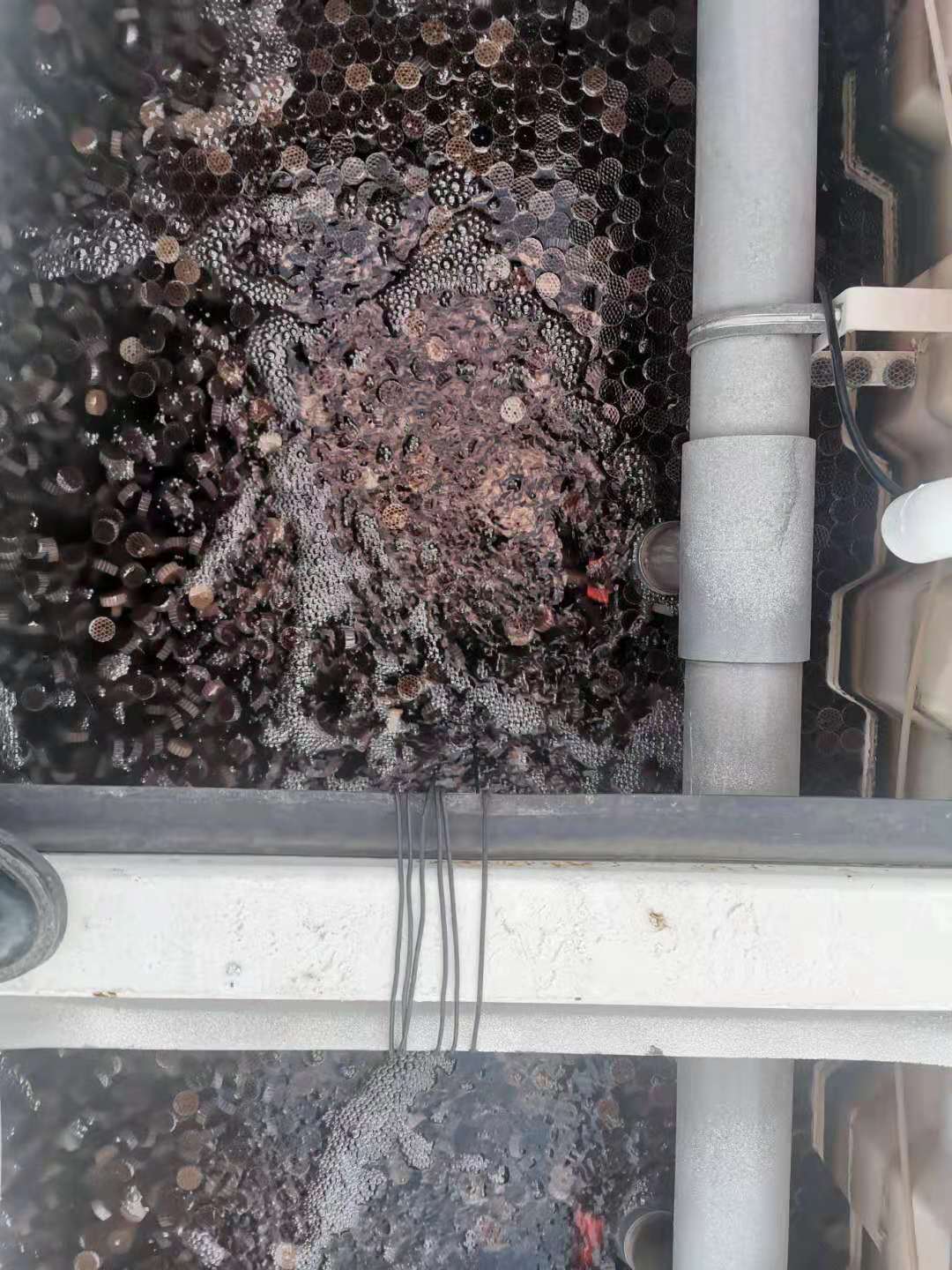
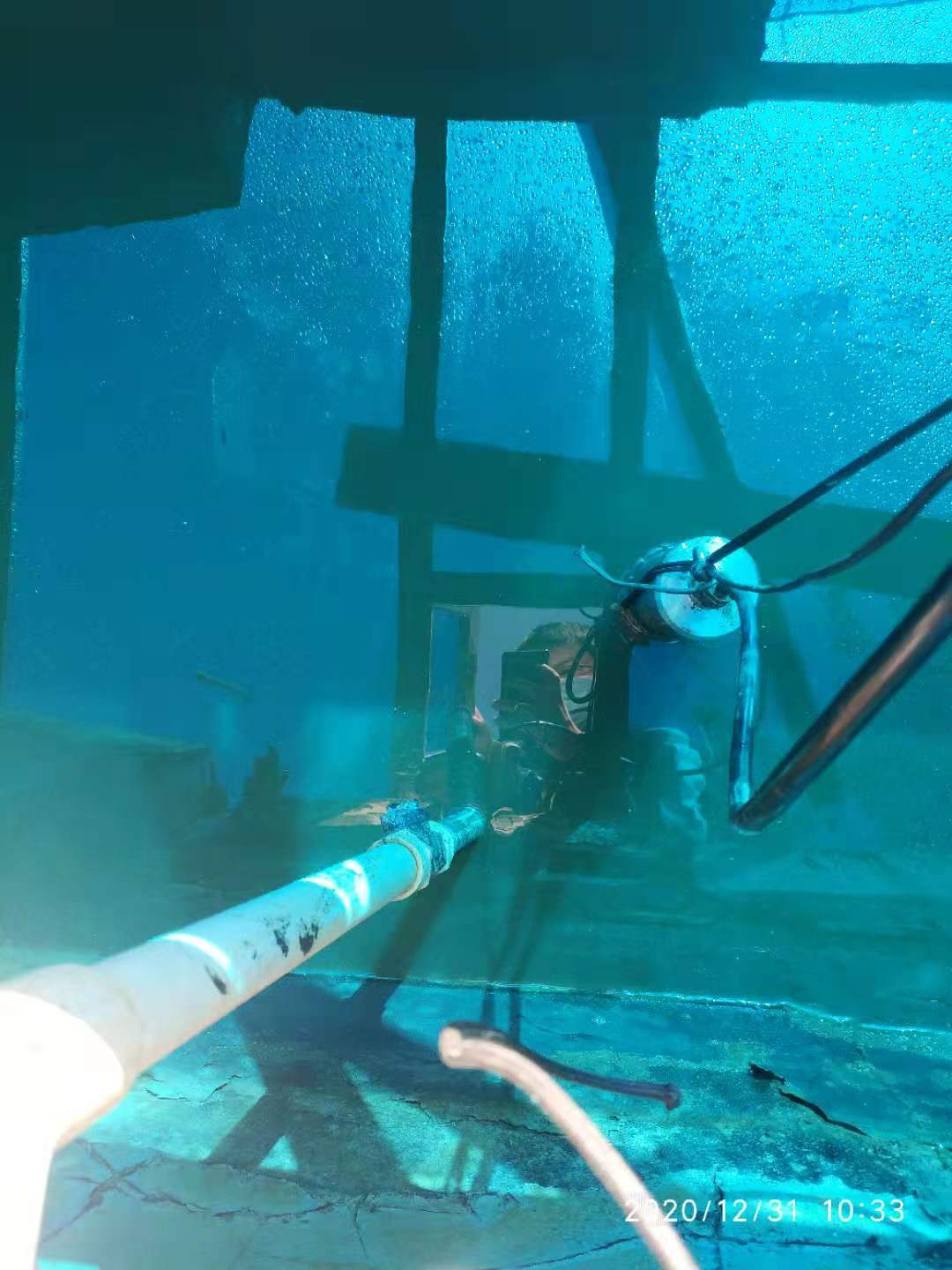
OUR SENSOR SYSTEM IN CUSTOMERS' PLANTS
Our real-time water sensors and data logger system have been successfully deployed in lots of maniciple wastewater treatment plants and industrial wastewater treatment plants, help custmer save labor and cost. More important, the data can be used to d
Wastewater Monitoring Sensors: Solutions for Treatment Plants
Wastewater monitoring has moved out of the laboratory and into the process itself. Rather than waiting days for a lab result, modern treatment plants instrument each stage of the train — influent, aeration, clarification, effluent — and control treatment while it is still happening. This guide covers what to measure at each stage, how optical and electrode sensors differ, and how to specify wastewater monitoring sensors that fit municipal and industrial plants.
1. Why Online Wastewater Monitoring Matters
A treatment plant runs under two constant pressures: meeting discharge limits, and controlling what it costs to do so. Neither is easy to manage with laboratory sampling alone, which is where wastewater monitoring sensors earn their place.
Why a five-day BOD result stalls wastewater monitoring
Start with the timing problem. BOD5 — the standard measure of biodegradable organic load — requires five days of incubation at 20 °C before a result exists. COD runs faster, but a laboratory turnaround still takes hours. In that window, a shock load from an industrial discharger, a collapse in dissolved oxygen, or a failing nitrification cycle has already passed through the plant. As a result, corrective action always arrives after the fact.
Online wastewater monitoring changes the objective. Instead of recording what happened, sensors at each process stage supply the signals an operator needs to adjust aeration, chemical dosing and return-sludge rates while the process is still running. The distinction matters: a laboratory result is a record, an online measurement is a control signal.
What drives a plant to install wastewater monitoring sensors
Of course, the motivation differs by operator. Regulation usually drives municipal plants, because continuous data supports discharge reporting and shows due diligence — and the European Environment Agency reports that Europe is still not on track to meet its water quality targets. Cost tends to drive industrial facilities, because over-aeration, needless dosing and needless re-treatment all land directly on the operating budget. Either way, the case for wastewater monitoring sensors rests on the same argument: a plant you can see is a plant you can control.
BOD5 is a retrospective measurement by definition. It tells you what the plant did last week, not what it is doing now. This is the single strongest argument for adding optical COD or TOC measurement alongside conventional BOD testing — not to replace the compliance test, but to give operators something they can act on today.
2. Where to Deploy Wastewater Monitoring Sensors: A Stage-by-Stage Guide
A treatment train has distinct zones, and each answers a different question. Fitting every one of them rarely justifies the cost; fitting the right ones usually does. The table below maps the points where wastewater monitoring sensors are typically installed, and the sections that follow explain why each one earns its place.
| Process stage | Typical parameters | Why it is measured | Sensor type |
|---|---|---|---|
| Influent (headworks) | COD, TSS, pH, ammonia, flow | Loading assessment; detecting industrial discharge | Optical multi-parameter |
| Anoxic / anaerobic | ORP, DO, nitrate | Denitrification control | Electrode (ORP), UV (nitrate) |
| Aeration basin | Dissolved oxygen, ammonia, ORP | Aeration control — the main energy lever | Optical DO, ISE or optical ammonia |
| Secondary clarifier | Turbidity, TSS, sludge blanket level | Solids separation performance | Optical turbidity |
| Effluent | COD, BOD, ammonia, total phosphorus, TSS | Discharge compliance | Optical multi-parameter |
| Disinfection | Residual chlorine | Dose control and residual compliance | Electrode (amperometric) |
A conventional activated-sludge train and the parameters typically instrumented at each stage.
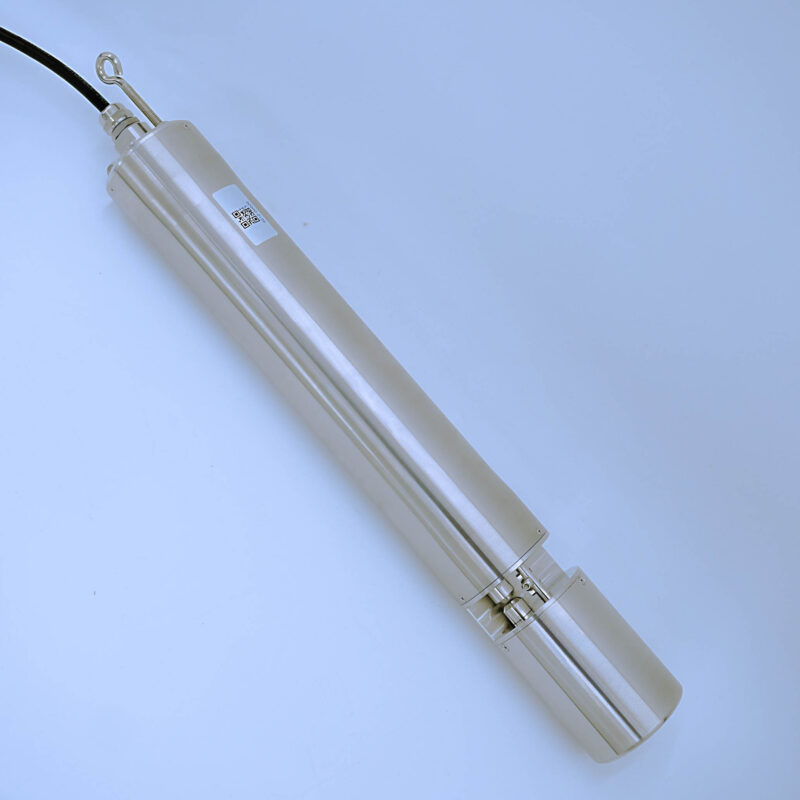
Influent
Influent monitoring answers two questions: how much load is arriving, and is anything arriving that should not be. For example, a sudden rise in COD or conductivity often signals an unauthorised industrial discharge — catching it at the headworks gives the plant time to divert or equalise rather than inherit the problem downstream. Optical measurement suits this point because influent is abrasive and variable, and there is no benefit to a reagent-based method in an abrasive stream.
Anoxic and anaerobic zones
These zones exist to drive denitrification, and the controlling variable is redox potential rather than oxygen. ORP (oxidation-reduction potential) tells the operator whether conditions are genuinely anoxic; nitrate measurement confirms whether denitrification is actually completing. Getting this stage right determines whether the plant meets total nitrogen limits at all.
Aeration basin
The aeration basin is where most of a plant’s energy goes, and therefore where most of the controllability sits. Dissolved oxygen is the primary control variable, but ammonia is the more informative one: it tells you whether nitrification is keeping pace with the load. In contrast, a plant controlled on DO alone will keep aerating after the ammonia has already been oxidised — a plant using wastewater monitoring sensors on both readings can back off earlier. See the dissolved oxygen sensor selection guide for how optical fluorescence sensors behave in mixed liquor.
Secondary clarifier
The clarifier is a physical separation step, so the useful measurements are physical too. Specifically, turbidity tracks the solids escaping in the clarified overflow, and sludge blanket level indicates whether the return-sludge rate is keeping up. In fact, both are early-warning indicators: a rising blanket or a turbidity trend warns of a bulking or washout event before the effluent shows it directly.
Effluent and disinfection
Effluent is the compliance point — the parameters here are the ones written into the discharge permit. Because effluent is fairly clean, optical measurement performs well, and in many cases a single multi-parameter instrument can handle it. Finally, residual chlorine closes the loop on disinfection, confirming that the dose delivered is the dose that survived contact time.
3. Key Parameters in Wastewater Monitoring
Any wastewater monitoring sensors project comes down to a short list of parameters, and the same three questions recur: what does it measure, why does it matter, and which technology suits it. The sections below take them in turn.
Organic load: COD, BOD and TOC
Three different measurements describe the same underlying quantity — how much organic material is in the water — and people routinely confuse them.
- COD (chemical oxygen demand) measures everything chemically oxidisable. It is fast and inclusive, and it captures material that biology cannot break down.
- BOD (biochemical oxygen demand) measures only what microorganisms can consume, which is why the standard test takes five days. It is the closer proxy for environmental impact.
- TOC (total organic carbon) measures carbon directly. It is the fastest of the three and does not depend on an oxidation efficiency assumption.
The relationship between them carries the practical insight. The COD-to-BOD ratio shows how biodegradable the stream actually is; a ratio that drifts upward suggests an increasing fraction of refractory material arriving at the plant. In practice, UV absorption at 254 nm is the established optical technique for online wastewater monitoring, and it underpins most online COD monitoring instrumentation. See also the TOC analyser guide and the BOD sensor monitoring guide for how each method works in the field.
Nutrients: ammonia, nitrate and phosphorus
Nutrients drive eutrophication in receiving waters and are almost always regulated. Ammonia is the parameter operators watch most closely, for two reasons. First, nitrification consumes a large share of aeration energy, so ammonia concentration directly reflects what the blowers are working for. Second, ammonia is toxic to aquatic life — but only the un-ionised form (NH3) is acutely toxic, and pH and temperature govern the proportion of NH3 to NH4+. This distinction matters constantly in wastewater, because nitrification itself acidifies the basin. We cover the equilibrium and how to calculate free ammonia in our guide to the difference between ammonia and ammonium.
Nitrate marks the endpoint of denitrification and is measurable optically by UV absorption. Phosphorus usually relies on colorimetric methods, since it has no convenient direct optical signature. Also, both matter: nitrogen and phosphorus are the two drivers of eutrophication, as the EPA nutrient pollution programme sets out.
Oxygen: dissolved oxygen and ORP
Indeed, dissolved oxygen is the single most controllable variable in an activated-sludge plant, and most wastewater monitoring strategies are built around it. Similarly, optical DO sensors based on fluorescence quenching have largely displaced membrane types here because they have no membrane to foul, no electrolyte to replenish, and no flow dependence — all of which matter in mixed liquor. Meanwhile, ORP is the complementary signal in anoxic zones, showing the redox state that denitrification requires.
Solids: TSS, turbidity and sludge blanket
Turbidity is an optical surrogate for suspended solids: light scattered by particles correlates with their concentration. In wastewater you have to establish that correlation for the specific stream, because particle size and colour both shift the relationship. Still, turbidity remains the practical online measurement for solids, and it serves both the clarifier and the effluent. See the turbidity sensor guide for calibration and standards.
4. Energy Savings from Wastewater Monitoring Sensors
For most treatment plants, aeration is the largest single electricity load — often the dominant energy consumer in the whole facility. That makes aeration control the main place where sensors pay for themselves, and it is usually the first business case anyone builds for wastewater monitoring sensors.
The mechanism is straightforward. A plant aerating on a fixed timer supplies oxygen whether or not it is needed. A plant aerating on dissolved oxygen feedback supplies it only when the setpoint demands, which already reduces consumption. Adding ammonia feedback tightens control further, because ammonia reveals when nitrification has finished instead of inferring it from oxygen alone.
The size of the saving depends heavily on the baseline. A plant already running tight DO control has little left to recover; a plant running fixed schedules may have far more headroom. Because this varies so much by configuration, we would rather point you at the method than quote a number:
- First, establish your current aeration energy consumption and keep it separate from total plant load.
- Second, log the diurnal load profile — the gap between peak and minimum demand is where the savings live.
- Third, model the reduction against a DO-and-ammonia control strategy using your own flow and load data.
Published figures for aeration energy savings from improved control vary enormously, because the result depends on influent strength, plant size, diffuser condition and the control strategy already in place. Any vendor quoting a single figure without knowing your baseline is guessing. Instrument the plant, measure the profile, then size the business case on your own data.
5. Optical vs Electrode Sensors for Wastewater Monitoring
As a rule, neither technology wins across the board, and a well-instrumented plant usually uses both. The choice follows the parameter, not the technology preference — so the useful question is not which sensor type is better, but which one suits each measurement when you specify wastewater monitoring sensors for a plant.
| Criterion | Optical | Electrode |
|---|---|---|
| Measuring principle | Light absorption or fluorescence | Electrochemical potential or current |
| Reagent required | None | Some methods (ISE reagents, colorimetric) |
| Fouling sensitivity | Lower; self-cleaning available | Higher; reference junction degrades |
| Maintenance interval | Longer | Shorter |
| Consumables | Minimal | Membranes, electrolyte, reagents |
| Strongest parameters | COD, TOC, turbidity, DO (luminescence), nitrate, colour | pH, ORP, conductivity, ammonia (ISE), chlorine |
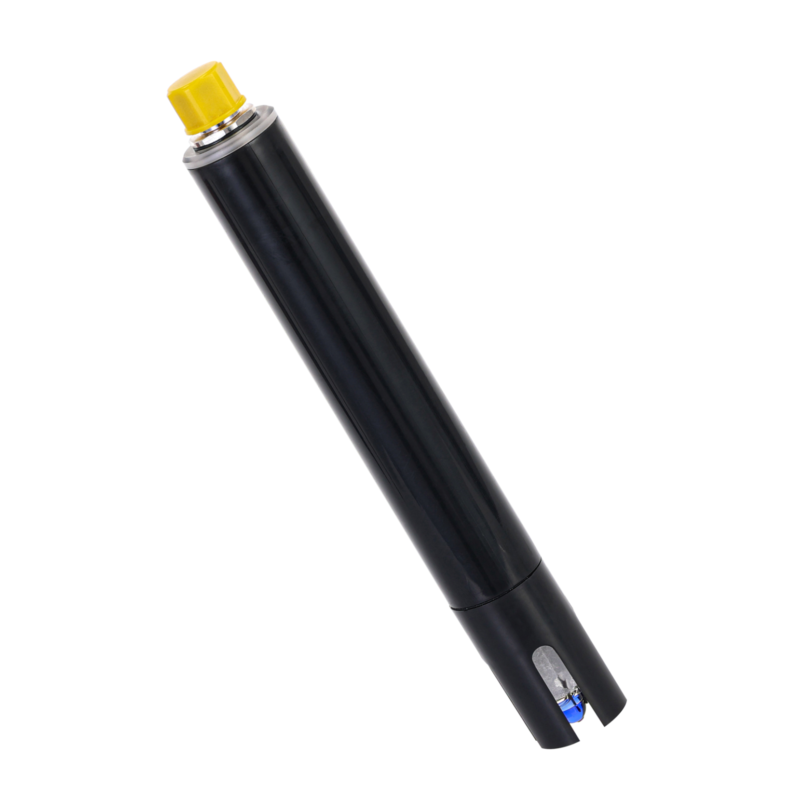
In practice, the split follows the measurement physics. Anything that can be inferred from how light behaves in the sample — organic absorbance, particle scatter, luminescence quenching — is better done optically, because there is no wet chemistry and therefore nothing to consume. Anything that depends on an electrochemical equilibrium — pH, ORP, conductivity — remains an electrode measurement, and the electrode approach is mature and reliable for those parameters.
Ammonia is the genuinely contested parameter. Ion-selective electrode ammonia sensors are well established, but they require periodic servicing of the reference and are sensitive to the ionic background of the stream. Optical ammonia methods avoid the reference electrode entirely and tolerate fouling better. For plants where maintenance access is difficult, that trade is often decisive when you specify wastewater monitoring sensors. Our electrode sensor range and optical sensor range cover both paths.
6. Recommended Wastewater Monitoring Sensors
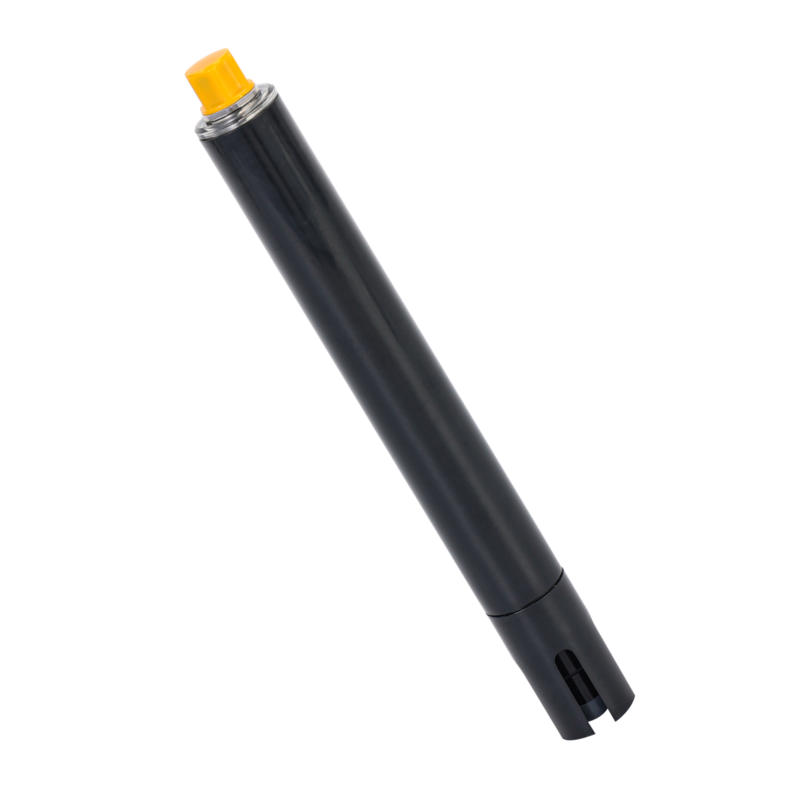
A wastewater monitoring sensors package for a typical municipal plant starts with three instruments: something to measure organic load, something to control aeration, and something to confirm nitrification. In short, these are the three we would specify first.
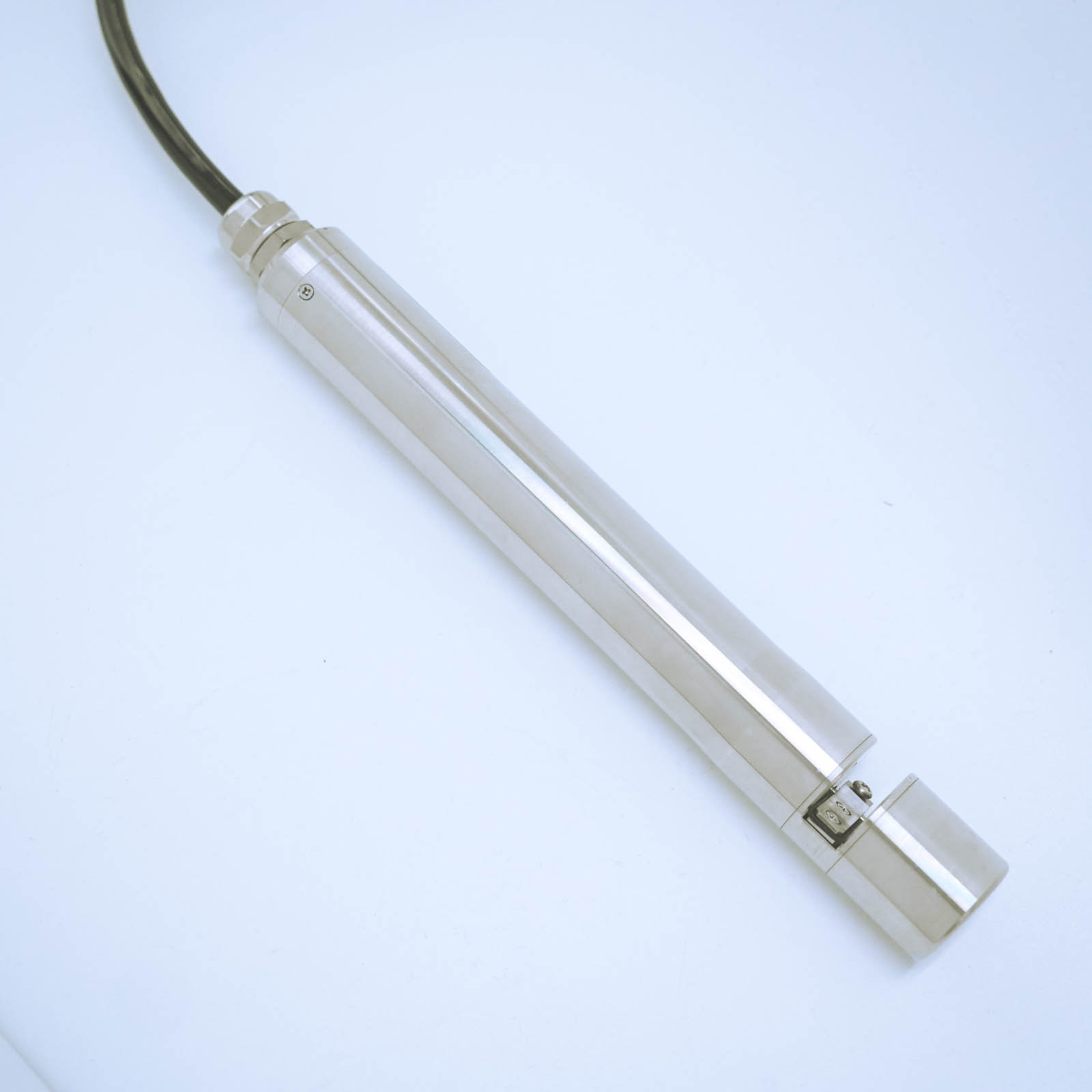
These three cover the core control loop — organic load in, oxygen and ammonia through the basin, compliance out. In addition, plants extending their wastewater monitoring sensors across a full train typically add pH, ORP, residual chlorine and a multi-channel data logger to consolidate the signals. For a wider view of how parameters map onto sensor choice, see the water quality sensor selection guide.
7. Wastewater Monitoring Sensors: Frequently Asked Questions
What parameters must be monitored for wastewater discharge compliance?
It depends on your jurisdiction and permit, but the common core is the same almost everywhere: organic load (usually BOD or COD), suspended solids, ammonia nitrogen, total phosphorus and, where relevant, total nitrogen. In the United States these limits sit under the EPA NPDES permit programme, while EU plants work to the Urban Waste Water Treatment Directive. pH and residual chlorine may also be specified depending on the receiving water and disinfection method.
Check your specific permit before you specify wastewater monitoring sensors — the monitored parameters, averaging periods and reporting frequency are set there, not by general industry practice.
Can online sensors replace laboratory testing?
For process control, yes — and they do it better, because they measure continuously instead of intermittently. For regulatory reporting, usually not yet. Most permits are still written around standard reference methods such as BOD5, and regulators generally require those methods for compliance demonstration.
The practical arrangement is both: online wastewater monitoring sensors for real-time control, and laboratory reference testing at the specified frequency for compliance. Where the two diverge, that is itself useful information about the process.
What is the difference between COD and BOD measurement?
COD measures everything that can be chemically oxidised, including material that biology cannot degrade. BOD measures only the fraction that microorganisms can consume, which is why the standard test requires five days of incubation.
COD is therefore faster and larger in magnitude, while BOD is the closer proxy for the oxygen demand actually exerted in the receiving water. The ratio between them indicates how biodegradable the stream is.
How often do wastewater sensors need calibration?
It depends on the measurement principle and the stream. In general, optical sensors based on stable physical principles — luminescence oxygen, UV absorption — generally hold calibration for longer intervals than electrochemical sensors, largely because there is no reference electrode to drift and no reagent to deplete.
Self-cleaning reduces fouling-related error, which is the most common reason readings drift in wastewater. Comparing each parameter against monthly laboratory checks is the practical way to establish your own interval rather than adopting a generic figure.
How can online monitoring reduce aeration energy costs?
By replacing fixed-time aeration with feedback control. A blower running on a schedule supplies oxygen regardless of demand; a blower responding to dissolved oxygen concentration supplies it only when the setpoint requires.
Adding ammonia measurement improves this further, because ammonia indicates whether nitrification is still consuming oxygen. The achievable reduction depends on your existing control strategy and load profile — a plant already running tight DO control has far less headroom than one running fixed schedules.
Are optical sensors suitable for high-turbidity wastewater?
Yes, with an important distinction between measurement types. Turbidity measurement itself is designed for high-solids streams and performs well in them. UV absorption measurements for COD or TOC are more sensitive to solids, because particles scatter light as well as absorb it.
Good optical instruments correct for this, either through a second wavelength that corrects for turbidity or through a dual-beam arrangement. Ask specifically how the instrument compensates, and test it on your own stream rather than relying on a clean-water specification.
Tell us your process configuration, target parameters and discharge requirements, and we will recommend wastewater monitoring sensors for your plant, spec the whole arrangement, and — where useful — arrange a trial unit so you can validate performance on your own stream before committing.
Request a wastewater monitoring consultation