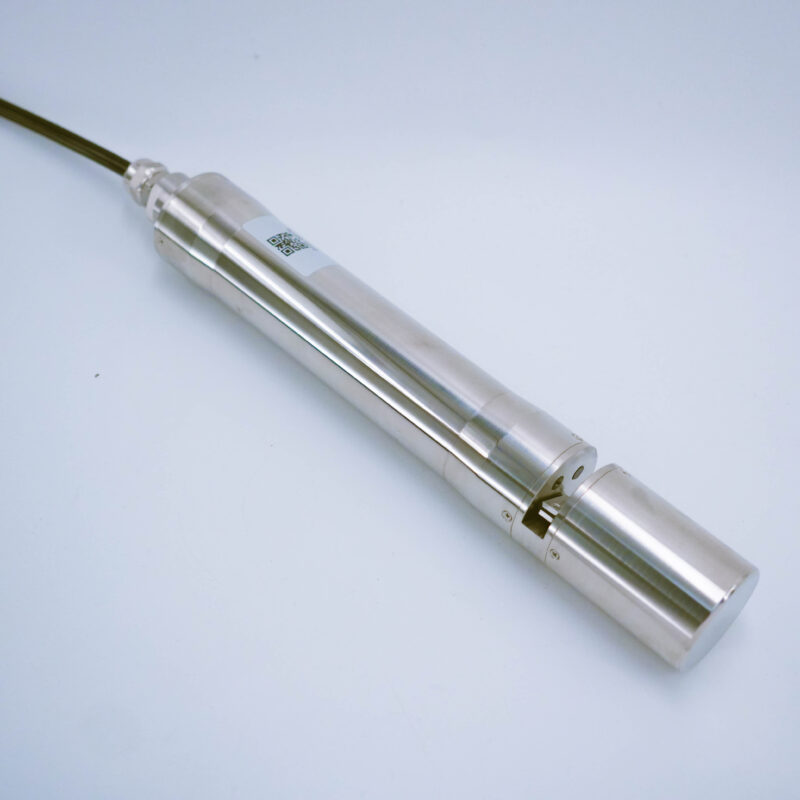
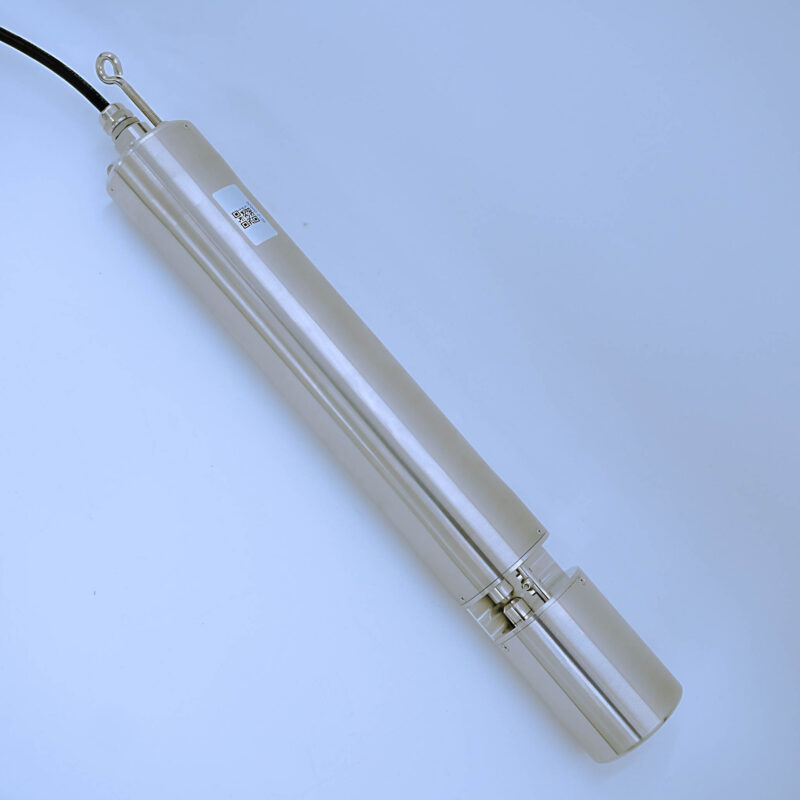
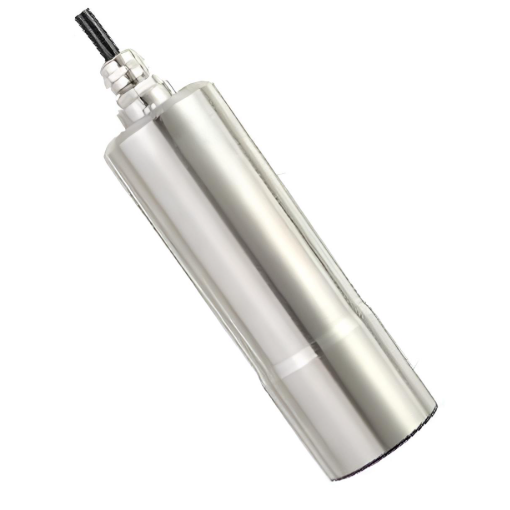
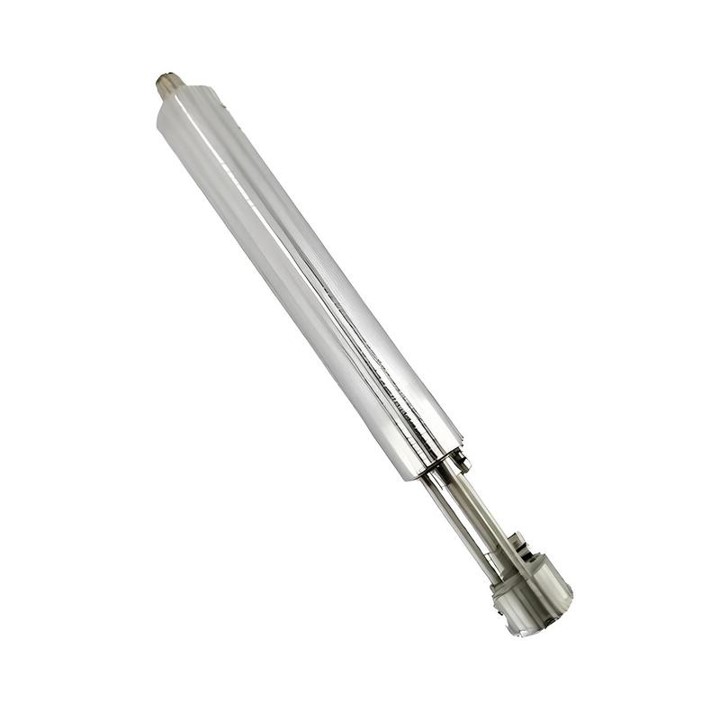
Optical water sensor
What Is an Optical Water Quality Sensor?
An optical water quality sensor uses light-based technology to measure key water parameters. Unlike traditional electrode sensors, optical sensors require no reagents and minimal maintenance. As a result, they are ideal for continuous, long-term deployment in demanding environments.
At Googolwater, our optical water quality sensors are designed for multi-parameter monitoring in a single probe. For instance, one device can simultaneously measure total organic carbon (TOC), chemical oxygen demand (COD), nitrate, total suspended solids (TSS), turbidity, and dissolved oxygen. Therefore, you reduce equipment costs and simplify installation.
Furthermore, our optical sensors feature self-cleaning mechanisms that prevent biofouling. This means fewer service visits and more reliable data over time. Our products are CE, RoHS, and CQC certified for global deployment.