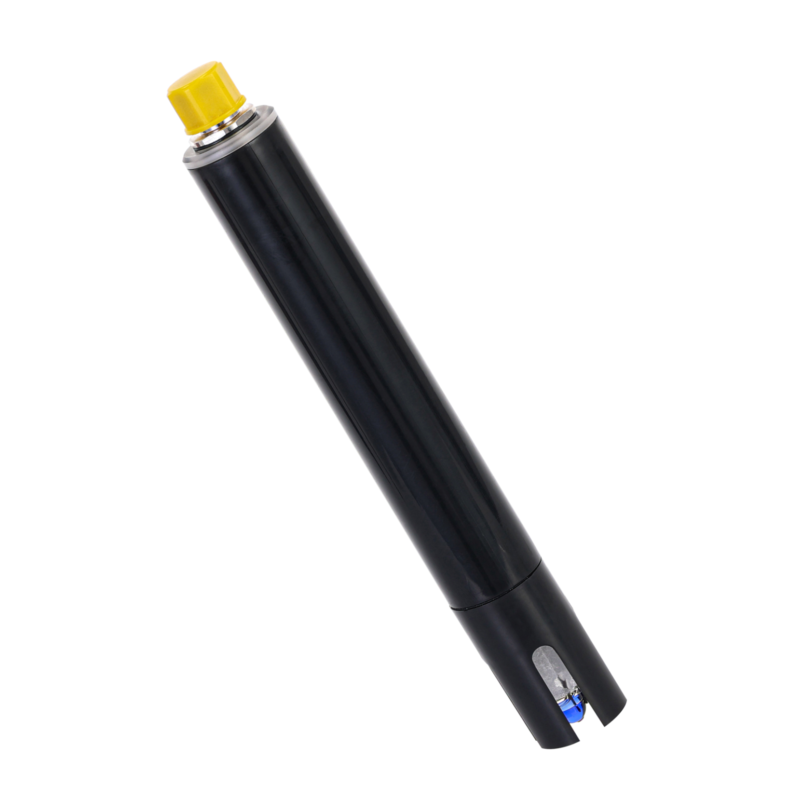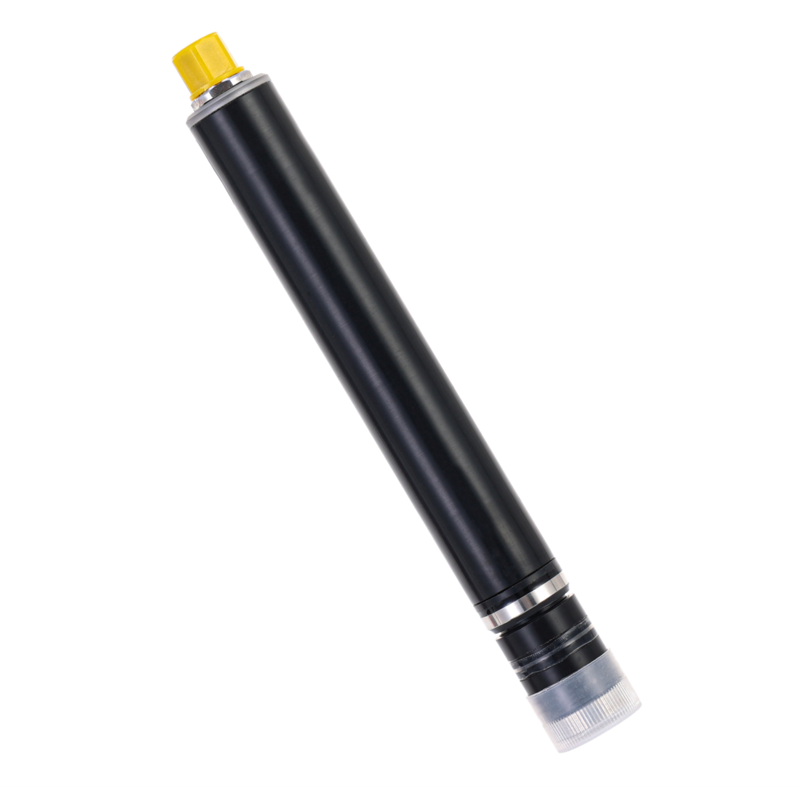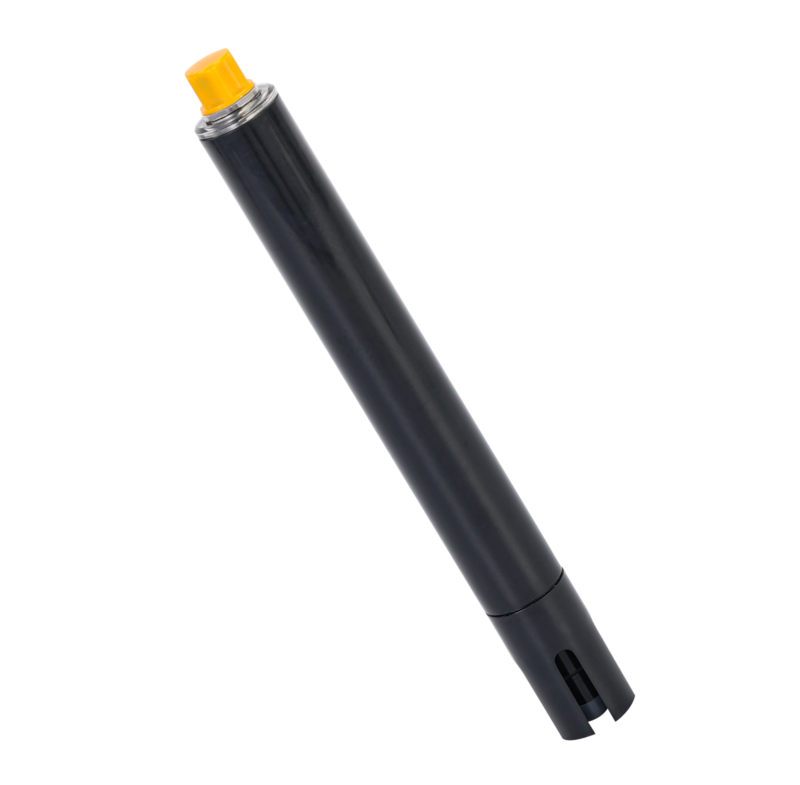
Digital Ammonia Nitrogen Sensor
- Ion-Selective Measurement: Precisely detects ammonium ions with advanced electrode technology.
- Reagent-Free Operation: No chemical reagents required, reducing maintenance and costs.
- Stable & Accurate: Delivers reliable readings independent of water color and turbidity.
- Rapid Response: Real-time monitoring for timely water quality management.
- Wide Application: Ideal for industrial, agricultural, and domestic wastewater monitoring.
Overview
4 types of connection available
The sensors are available with different tail connections so that customers can choose according to their needs.
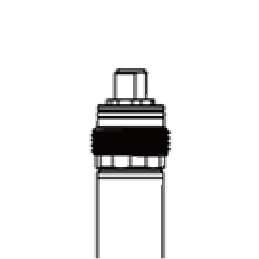
WQS-NH3-S01
IP65
5 pole aviation plug, cable length 2m with waterproof connection thread
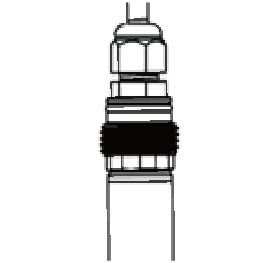
WQS-NH3-S11
IP68
Cable extending directly, cable length 6m with waterproof connection thread
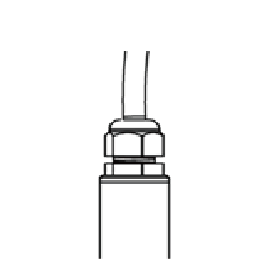
WQS-NH3-P01
IP65
5 pole aviation plug, cable length 2m
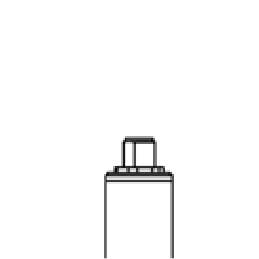
WQS-NH3-P11
IP68
Cable extending directly, cable length 6m
Installation methods
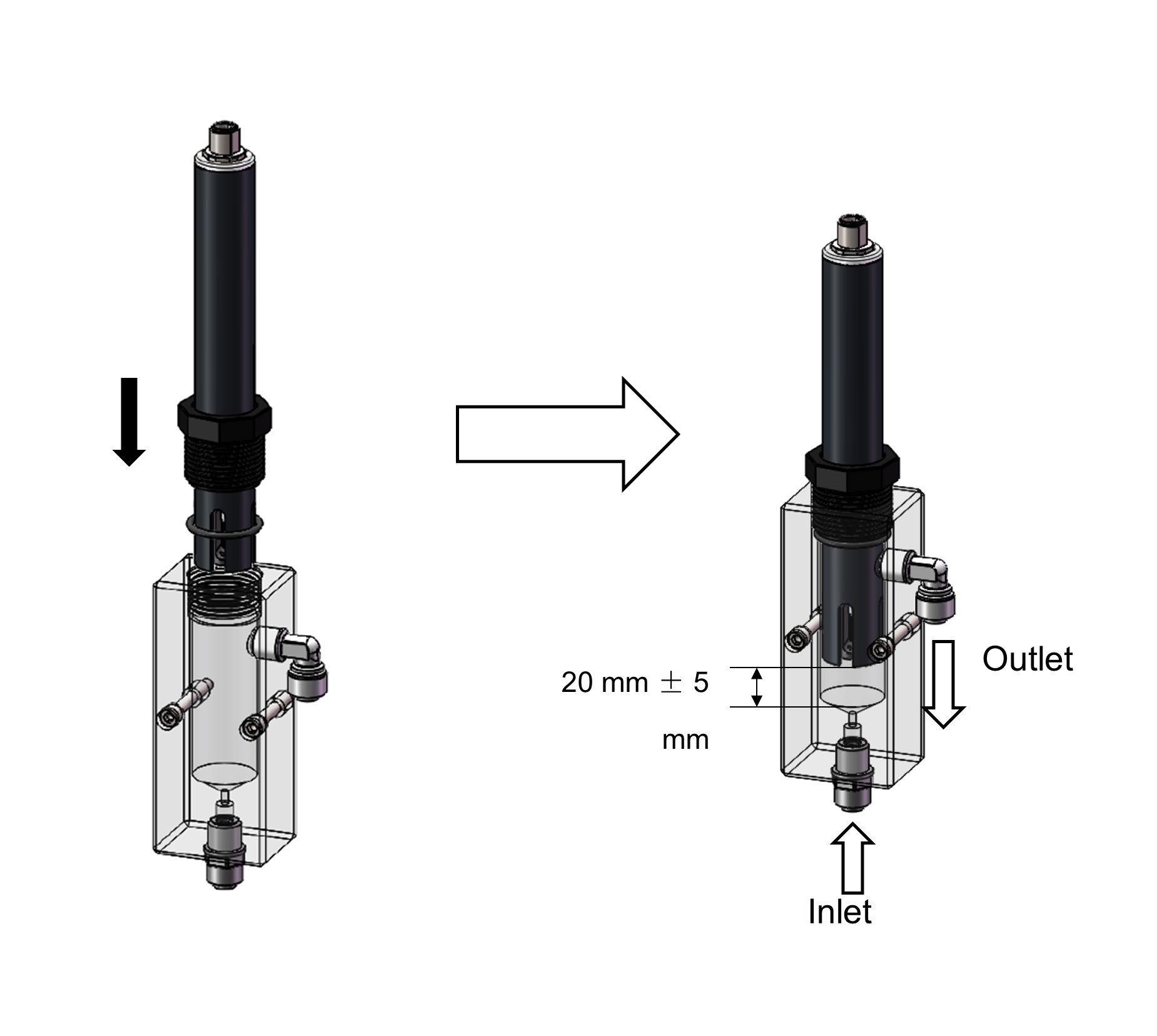
flow cell
Install the conductivity electrode into the flow cell as shown below. Then secure the flow cell to the backing plate
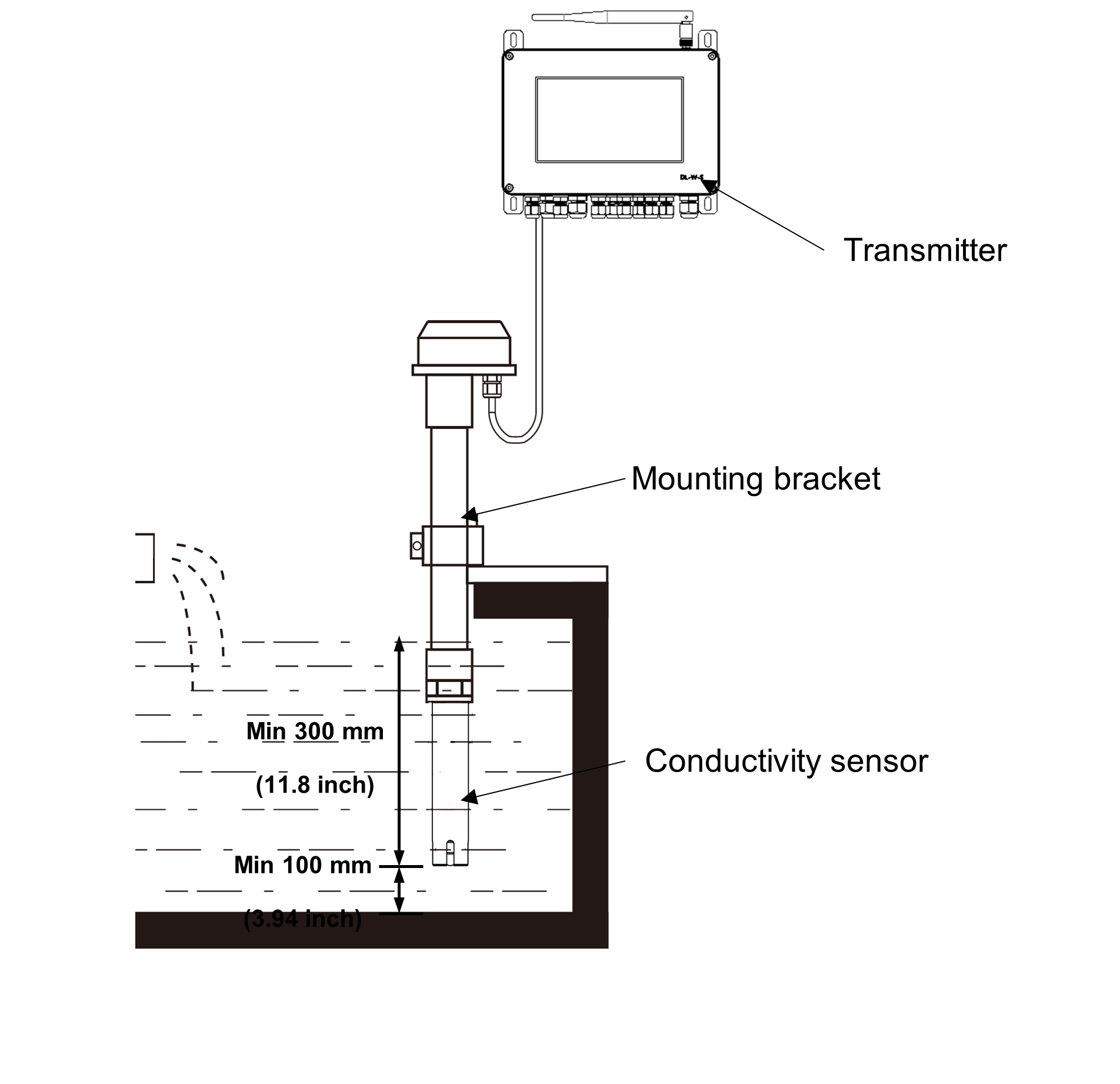
Submerged
Sensors with an extended cable on the end can be directly submerged in water
The Ammonia Nitrogen Sensor utilizes advanced ion-selective electrode technology to deliver highly accurate measurements of ammonium ions (NH₄⁺) in water. The sensor features a working electrode, reference electrode, ion-selective membrane, and electrolyte, allowing only ammonium ions to pass through the membrane and trigger a charge change. This generates a potential at the working electrode proportional to the ion concentration, while the transmitter applies the Nernst equation to convert this potential difference into precise ammonia nitrogen concentration readings. Independent of water color or turbidity, this sensor is ideal for continuous monitoring in industrial, agricultural, and domestic wastewater, offering rapid, reagent-free detection to support effective water quality management and eutrophication control.
Typical Applications
The Digital Ammonia Nitrogen ISE Sensor is deployed across multiple water quality monitoring scenarios:
- Aquaculture: Continuous ammonia monitoring in fish farms, shrimp ponds, and recirculating aquaculture systems (RAS). Free ammonia (NH₃) must stay below 0.02 mg/L for long-term fish health. For detailed guidance, see our article on ammonia vs ammonium.
- Wastewater Treatment: Influent and effluent ammonia monitoring for nitrification/denitrification process control. The ISE method is reagent-free, making it ideal for online monitoring in water quality sensor networks at treatment plants.
- Surface Water Monitoring: River, lake, and reservoir ammonia monitoring for environmental compliance. Provides early warning of agricultural runoff or sewage contamination.
- Drinking Water: Inlet ammonia monitoring at water treatment plants. WHO guideline: 1.5 mg/L ammonium; China GB 5749-2022: 0.5 mg/L NH₃-N.
4 types of connection available
The sensors are available with different tail connections so that customers can choose according to their needs.
WQS-NH3-S01
IP65
5 pole aviation plug, cable length 2m with waterproof connection thread
WQS-NH3-S11
IP68
Cable extending directly, cable length 6m with waterproof connection thread
WQS-NH3-P01
IP65
5 pole aviation plug, cable length 2m
WQS-NH3-P11
IP68
Cable extending directly, cable length 6m
Installation methods
flow cell
Install the conductivity electrode into the flow cell as shown below. Then secure the flow cell to the backing plate
Submerged
Sensors with an extended cable on the end can be directly submerged in water
Ammonia Nitrogen Sensor — ISE Technology for Reagent-Free Water Monitoring
The Digital Ammonia Nitrogen Water Sensor from Googolwater uses ion-selective electrode (ISE) technology to directly measure ammonium ions (NH₄⁺) in water — without chemical reagents. By compensating for pH and temperature in real time, the sensor calculates free ammonia (NH₃) concentration, delivering accurate, continuous data for wastewater treatment, aquaculture, and surface water monitoring.
According to the US EPA's aquatic life criteria for ammonia, free ammonia becomes toxic to aquatic organisms at concentrations as low as 0.5 mg/L (acute) and 0.05 mg/L (chronic). Continuous monitoring with a reliable ammonia nitrogen sensor is critical for regulatory compliance and environmental protection.
Key Specifications
| Parameter | Specification |
|---|---|
| Measurement Principle | Ion-Selective Electrode (ISE) |
| Measured Parameter | NH₄⁺ (ammonium ion) and derived NH₃ (free ammonia) |
| Range | 0–1000 mg/L NH₄⁺ |
| Resolution | 0.01 mg/L |
| Output | RS485 Modbus, 4–20mA (optional) |
| Reagents Required | None — reagent-free operation |
| Compensation | Automatic pH and temperature compensation |
ISE vs Optical Ammonia Detection
Two primary technologies exist for online ammonia nitrogen measurement:
| Feature | ISE (This Sensor) | Optical (Fluorescence) |
|---|---|---|
| Measurement Range | 0–1,000 mg/L NH₃-N | Typically 0–100 mg/L |
| Response Time | ~60–120 seconds | ~10 seconds |
| Maintenance | Membrane replacement ~6 months | Maintenance-free optical window |
| Best For | Wastewater, high-NH₃ applications | Clean/low-NH₃, drinking water |
| Reagent Required | No | No |
For other water quality parameters measured optically, see our optical water quality sensor range (DO, turbidity, and multi-parameter models).
How ISE Technology Works
An ion-selective electrode ammonia sensor operates through a PVC membrane that selectively binds ammonium ions. When NH₄⁺ ions contact the membrane, a potential difference is generated proportional to the ion concentration — this is the Nernst equation in action. The built-in pH electrode and temperature sensor compensate readings in real time, converting NH₄⁺ concentration to free ammonia (NH₃) based on the known pH-dependent equilibrium:
NH₄⁺ ⇌ NH₃ + H⁺ (pKₐ ≈ 9.25 at 25°C)
At pH 7, over 99% of total ammonia nitrogen exists as NH₄⁺. As pH rises toward 9–10, the equilibrium shifts toward toxic NH₃. This is why simultaneous pH measurement is essential for any ammonia sensor for water — without it, you're only measuring total ammonia nitrogen, not the biologically relevant free ammonia fraction. For a deeper explanation of this chemistry, refer to our guide: Ammonia vs Ammonium: Key Differences Explained.
Application Scenarios
| Application | Why It Matters | Recommended Range |
|---|---|---|
| Wastewater Treatment | Monitor nitrification efficiency; prevent ammonia breakthrough in effluent | 0–50 mg/L |
| Aquaculture | NH₃ is toxic to fish gills; continuous monitoring prevents mass mortality events | 0–5 mg/L |
| Surface Water | Detect agricultural runoff and eutrophication risk | 0–10 mg/L |
| Industrial Discharge | Compliance with NPDES permit limits for ammonia nitrogen | 0–100 mg/L |
| Drinking Water Source | Early warning for source water contamination | 0–2 mg/L |
Selecting the Right Ammonia Sensor
When evaluating an ammonia probe for wastewater or surface water, consider these factors:
- Measurement principle: ISE sensors directly measure NH₄⁺ without reagents — ideal for continuous online monitoring at a fraction of the cost of colorimetric analyzers. The USGS notes that excessive nitrogen in water is the single largest water quality concern in the United States.
- Detection range and resolution: A water ammonia sensor should cover your expected concentration range. For low-level monitoring (aquaculture), look for ≤0.01 mg/L resolution; for wastewater, 0.1 mg/L resolution is adequate.
- IS interoperability: Ensure the sensor outputs RS485 Modbus for integration with SCADA, PLC, or your existing multichannel data logger. Digital sensors simplify calibration and troubleshooting.
- Anti-interference design: ISE sensors can be affected by potassium ions (K⁺) which have similar ionic radius to NH₄⁺. Choose a sensor with a potassium interference rejection ratio >100:1 for reliable readings in complex water matrices.
Maintenance & Membrane Replacement
Unlike colorimetric methods, ISE-based ammonia sensors require no chemical reagents — significantly reducing operational costs. However, ISE membranes degrade over time. A well-maintained ISE membrane typically lasts 6–12 months in continuous operation.
Maintenance checklist:
- Weekly: Visual inspection of sensor body for fouling or bio-growth
- Monthly: Single-point calibration check with 10 mg/L NH₄⁺ standard
- Quarterly: Two-point calibration (0 mg/L + 100 mg/L); membrane condition assessment
- Annually: Replace ISE membrane cartridge and O-rings
Related Products & Resources
- Pair with: pH Sensor — essential companion for ammonia-toxicity calculation
- Data logging: Multichannel Data Logger & Transmitters — capture and transmit ammonia data in real time
- Read more: Ammonia vs Ammonium — The Complete Chemistry Guide
Sensor Integration & Selection Resources
- For full sensor comparison across all water quality parameters, see the water quality sensor selection guide
- Our turbidity sensor pairs with ammonia monitoring for complete aquaculture water quality management
- The dissolved oxygen sensor is the most common companion sensor for ammonia monitoring — ammonia toxicity increases sharply at low DO levels
- For multi-channel logging of ammonia + DO + pH + turbidity, see the multichannel data logger
- Learn the chemistry: Ammonia vs Ammonium: The Complete Chemistry Guide — now ranking Top 15 on Google